Many exciting projects are happening…Tell us what you need!
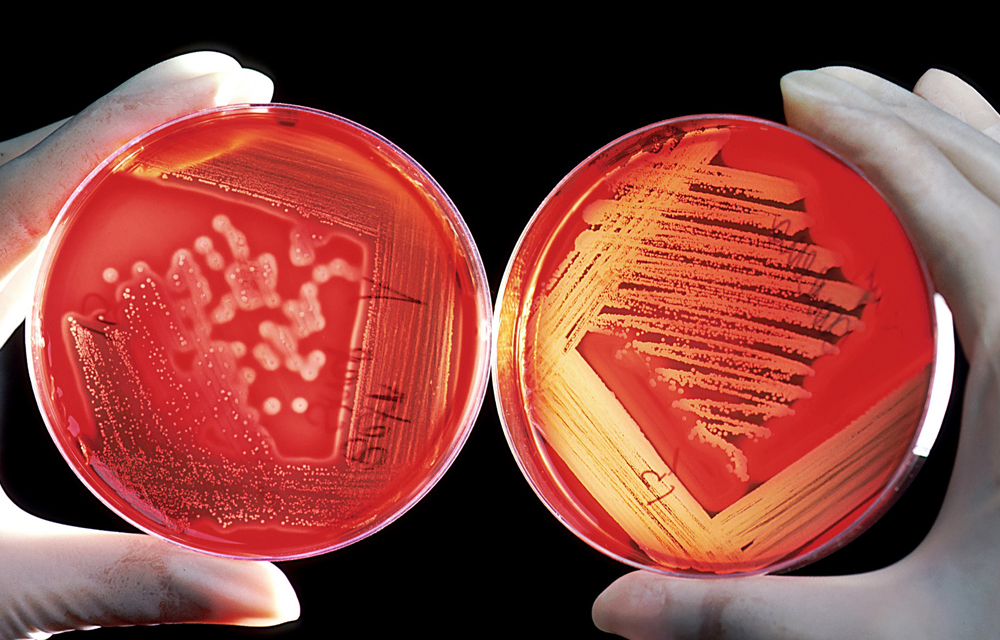
The demand for high performance anti-bacterial coating for consumer products has gained great attention in recent years. Successful adherence of antibacterial material onto a substrate material inhibits bacterial growth and reduce the chance of bacterial infection and cross-contamination among consumers. It also provides other economic benefits such as reduced use of sanitizers and lower frequency of cleaning required. Existing antibacterial products in the market generally have drawbacks of low durability, change in product appearance, and the use of expensive or toxic chemicals such as silver and triclosan. To overcome these issues, researchers at HLST have successfully developed high quality HHIC-based antibacterial coating and treatment on different substrates such as metal, fabric and plastic.
Metal
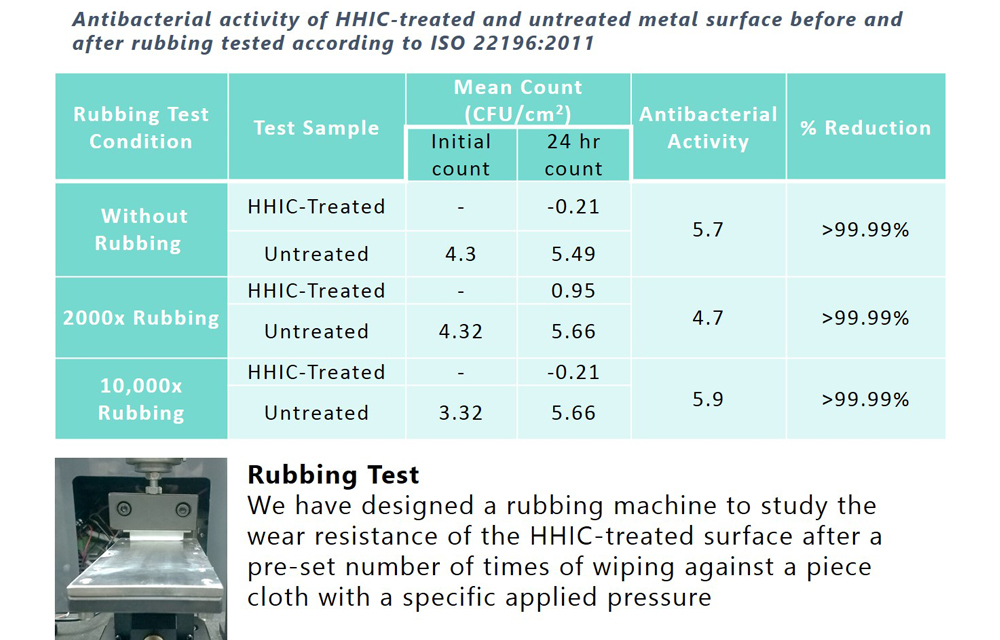
With our expertise in surface modification, HLST successfully delivered a custom- made HHIC system along with unique antibacterial coating formulations for decorative metal products. The final HHIC treated products demonstrate outstanding antibacterial activity with long-lasting durability. Treated samples retained 99.99% bacterial reduction, before and after 10,000 times of rubbing, as reported by two third-party accredited laboratories in accordance to two international standards – ISO 22196:2011 and ASTM E-2149-10. Final product appearance is also well-preserved as the coating thickness is less than 50 nm and with a light transmittance of over 90%. Our antibacterial formulation is comprised of mostly natural material and is free from heavy metals.
Cotton Fabric
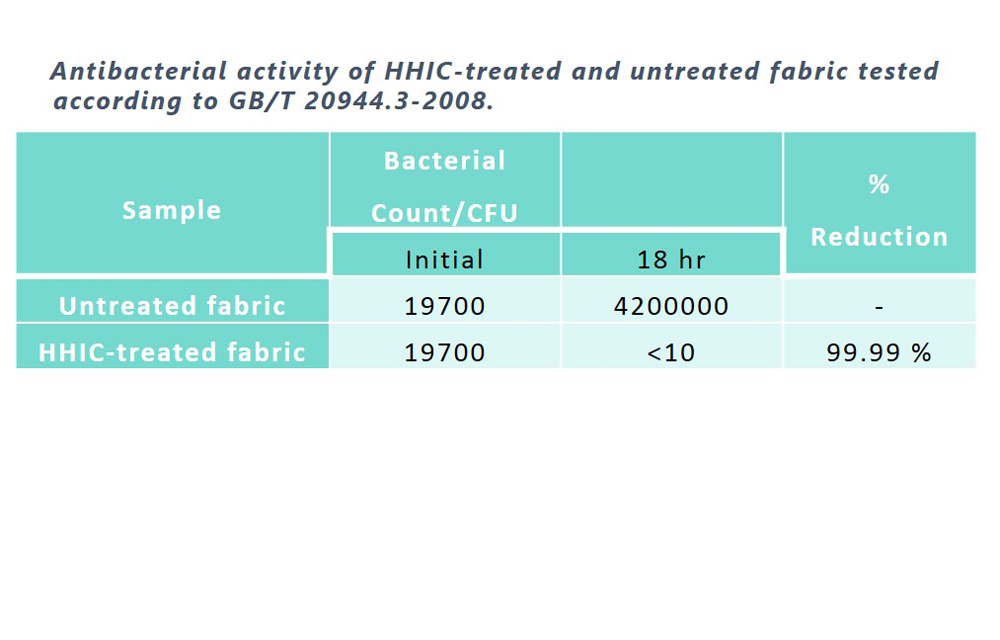
Functionalization of cotton fabric with antibacterial activity is another challenge that we have accomplished for our customers. We have created extremely thin coating on cotton fabric with excellent antibacterial activity of greater than 99.9% reduction according to the Chinese standard GB/T 20944.3-2008 (Textile - Evaluation for Antibacterial Activity).
Plastic
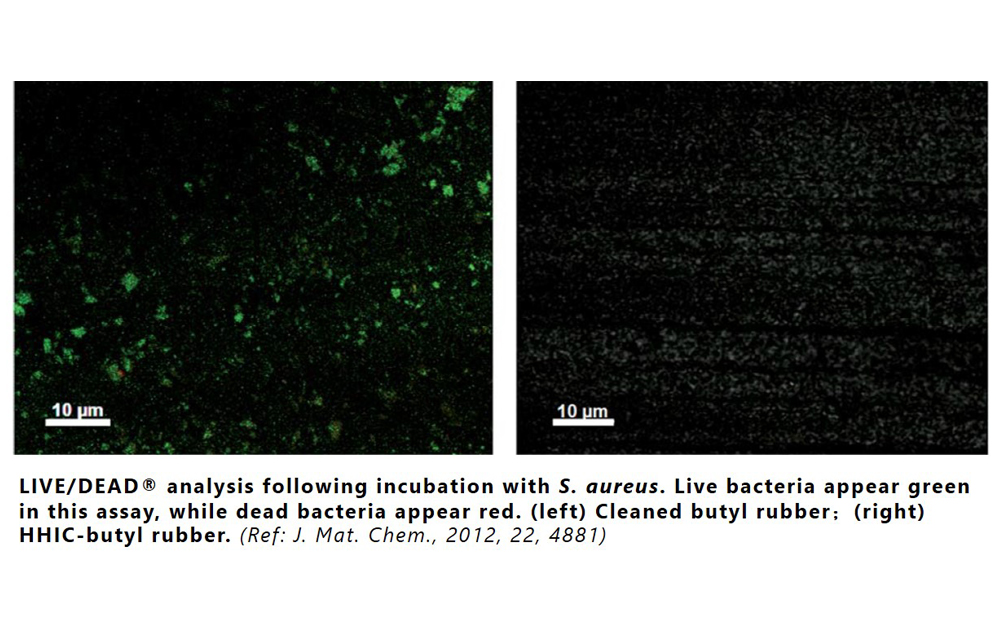
Plastic material with antibacterial activity finds promising applications in a wide range of products such as food packaging, personal protective equipment, medical device and consumables. By using the HHIC method, our researchers have functionalized a layer of antibacterial polymer on butyl rubber sheets. Treated butyl rubber samples exhibits exceptional antibacterial activity by inactivating 93% of Gram-positive bacteria and over 99,% Gram-negative bacteria found on the surface
Other products which would benefits from bacterial resistant surface treatment include:
· Personal and wearable electronics
· Medical and surgical device
· Food packaging
· Personal protective equipment