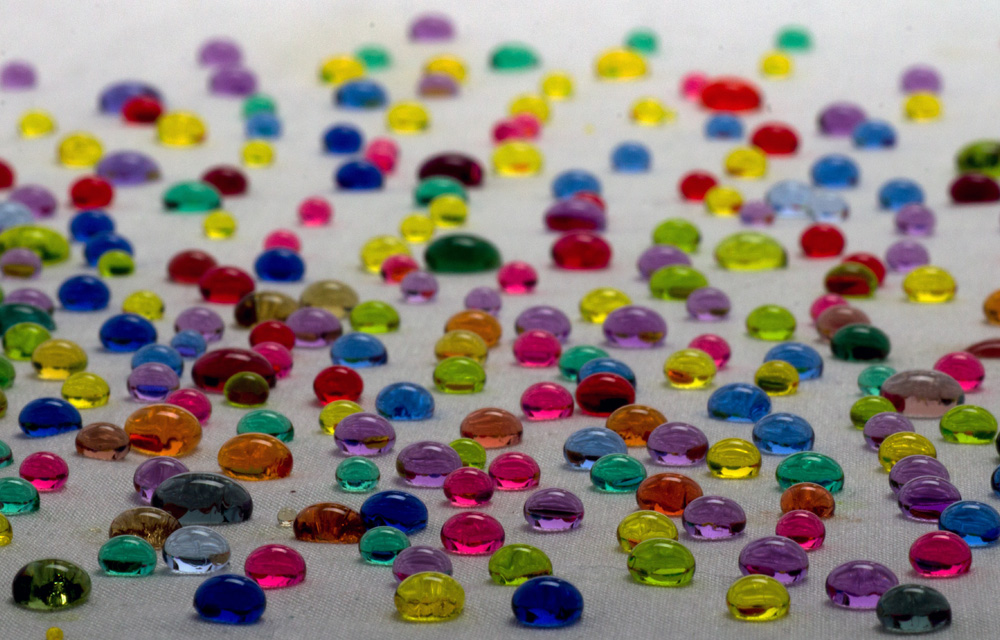
The ability to be protected from liquid damage could greatly extend the lifetime of a product and significantly enhance user experience. Water-repellent property can be achieved by modifying a surface to superhydrophobic – typically refers to surface with a high water contact angle greater than 150 degrees. When combined with a low sliding angle of less than 5 degrees, self-cleaning is feasible as liquid roll off easily from these surfaces. We have developed HHIC-based technologies for treating different materials such as metal and cotton fabric, and with many ongoing projects. Unlike other common water repellent products in the market, our proprietary formulation is free from any fluoropolymers, which are known to be toxic to human and to the environment.
Metal
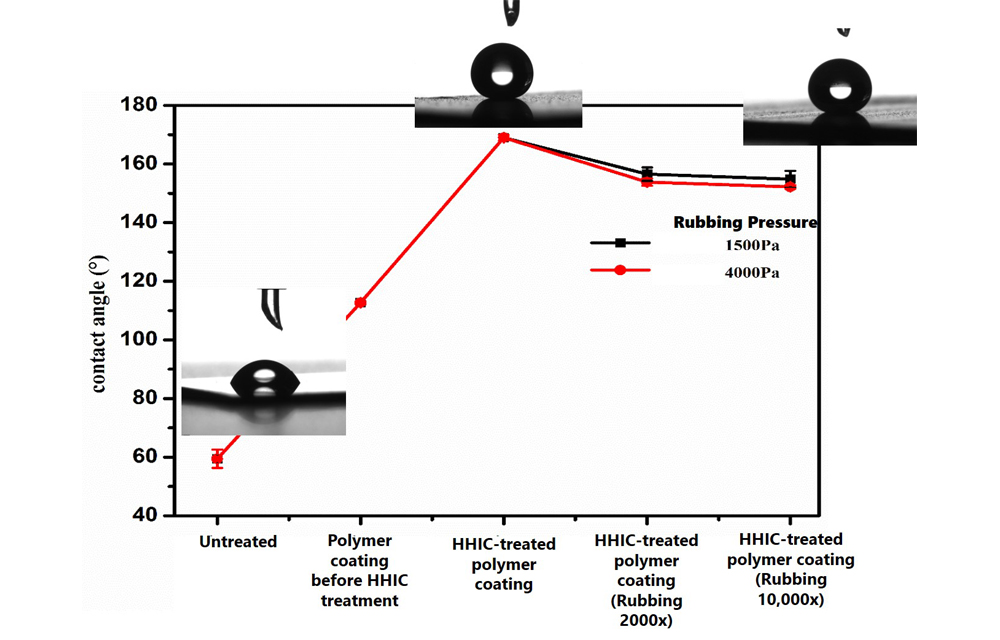
HHIC based non-wetting formulation and treatment on metal surfaces is able to generate surface with a contact angle greater than 170⁰C and a sliding angle of less than 2 ⁰C. The coating is visually transparent with a light transmittance of 90 %. To prove the superior durability of the coating, contact angle is measured at two rubbing pressures. Even after 2000 times and 10,000 times of vigorous rubbing, the treated surface retained the superhydrophobicity property with a contact angle of about 150⁰.
Natural and Synthetic Fabrics
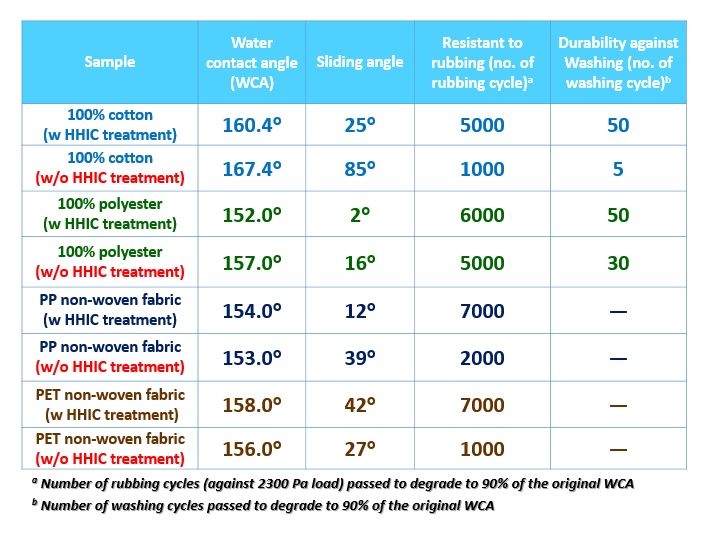
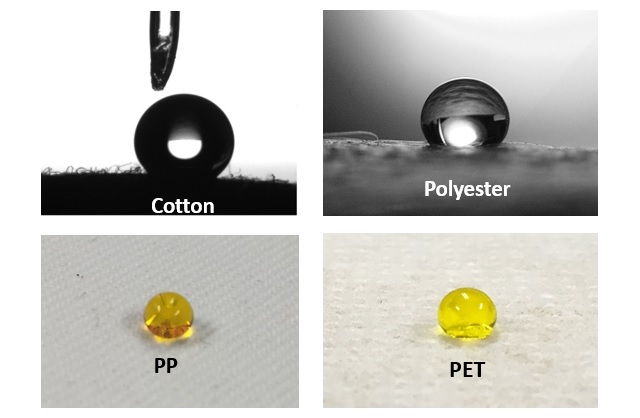
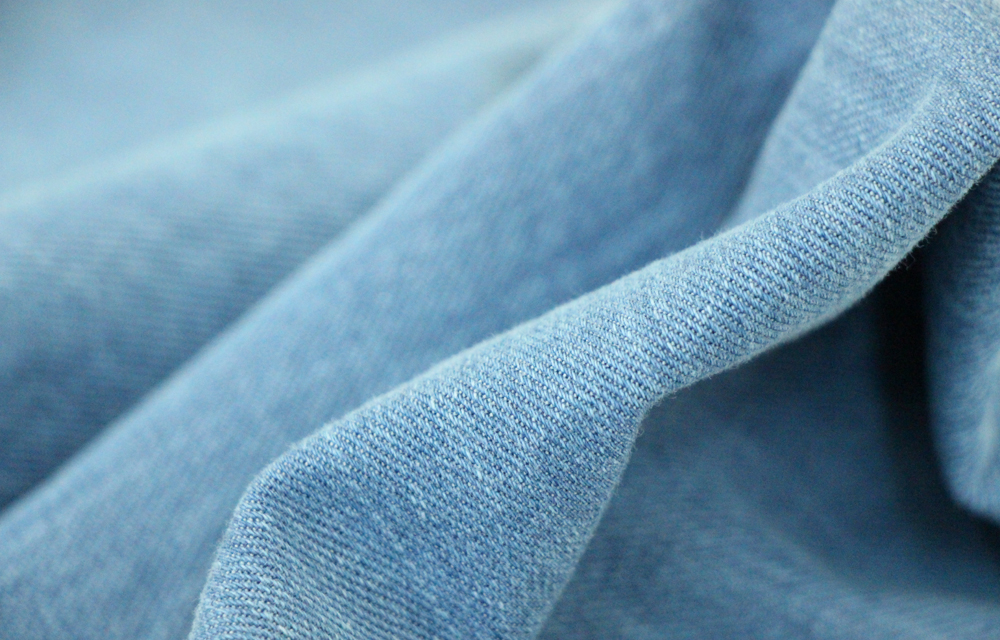
Water-repellent property is an attractive add-value function for day-to-day clothing as well as clothing for outdoor activities and other protective clothing. Existing water repellent fabrics in the market are mostly based on synthetic fabric with smooth surface and uses toxic chemicals such as perfluorocarbons (PFCs). Our research team has designed innovative HHIC based coatings and modification for natural cotton, polyester and non-woven fabrics (all with rough and hairy surfaces). Our method produced water repellent fabrics with a remarkably high contact angle of over 150⁰ with good durability after multiple wash cycles.
Other examples of products which will benefit from the applications of non-wetting surfaces include:
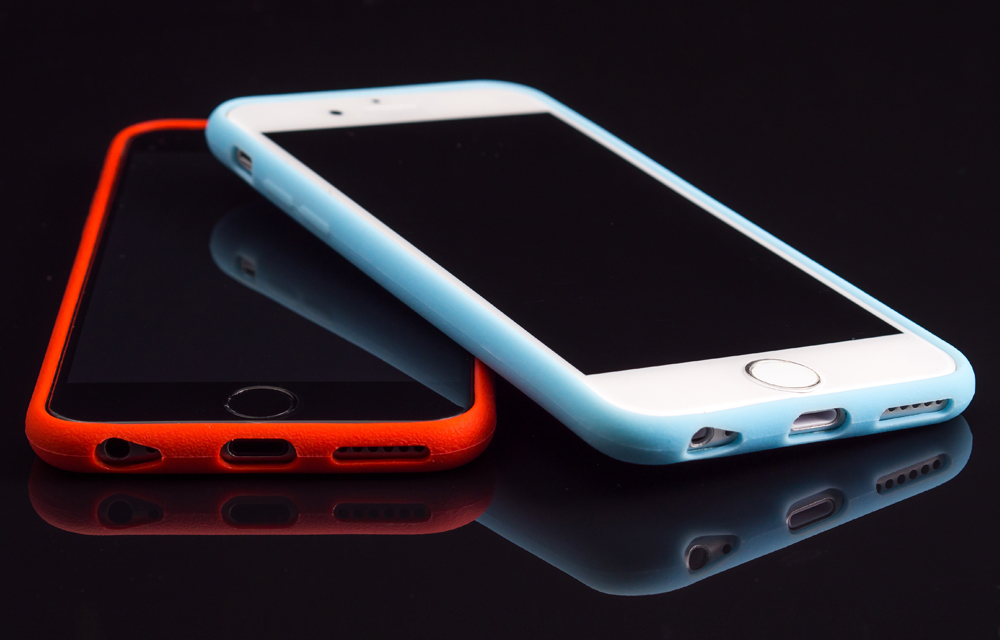
· Personal electronics
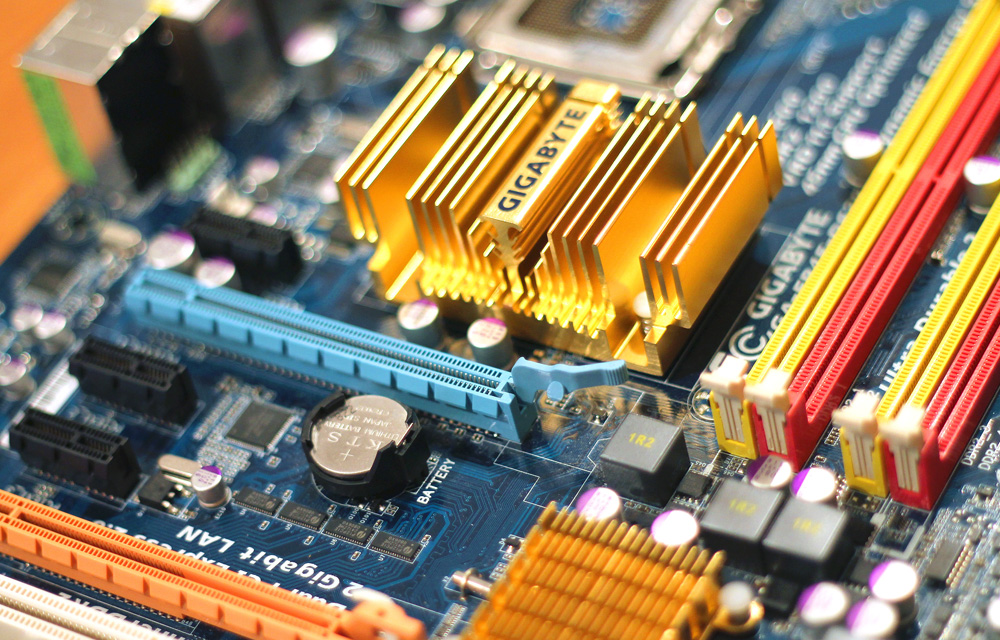
· Printed circuit board
· Microfluidics
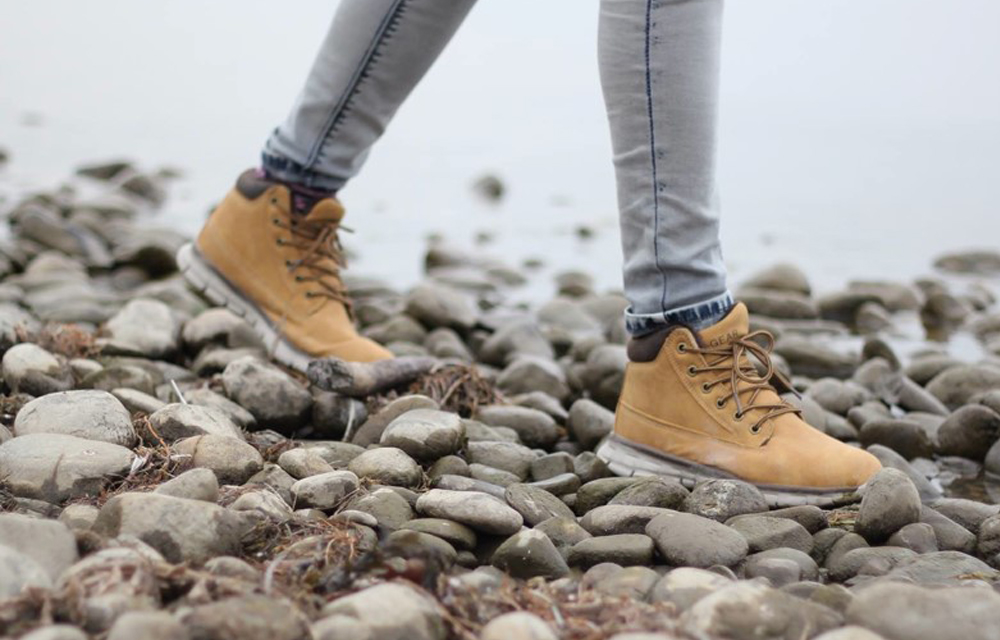
· Footwear
· Window
· Optics
· Photovoltaics